See more cookies below!
Awh... it's rotten...
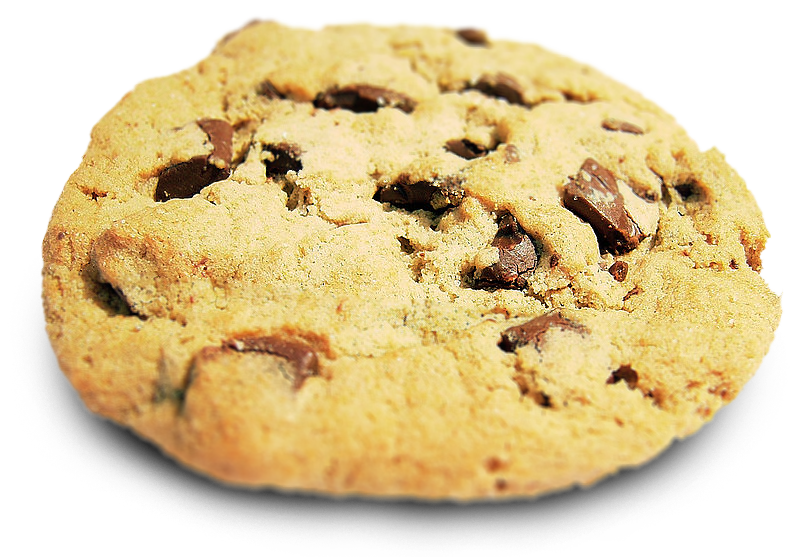
It's a cookie!
Too much dough!
Where is it?
The true cookie
A waste of my time
That's... not... how'd it get here?
Who would make such a thing!?
So sweet!!!
Woah!
One very hungry fella
Dough....
I wonder which cookie this is
A very odd cookie
Might be cookie
Very important cookie
Yuck!
Just shy of cookie 20... may it be a myth up on us all
Needed for cookie
What is left of the cookie
Certain doom
Now that is one heavy cookie!
King crabs or stone crabs are marine decapod crustaceans of the family Lithodidae[b] that are found chiefly in deep waters and are adapted to cold environments.[3][4] They are composed of two subfamilies: Lithodinae, which tend to inhabit deep waters, are globally distributed, and comprise the majority of the family's species diversity;[4][5] and Hapalogastrinae, which are endemic to the North Pacific and inhabit exclusively shallow waters.[4] King crabs superficially resemble true crabs but are generally understood to be closest to the pagurid hermit crabs.[6][5] This placement of king crabs among the hermit crabs is supported by several anatomical peculiarities which are present only in king crabs and hermit crabs, making them a prominent example of carcinisation among decapods.[7] Several species of king crabs, especially in Alaskan and southern South American waters, are targeted by commercial fisheries and have been subject to overfishing.[3][8][9] Taxonomy King crabs are believed to have originated during the Early Miocene in shallow North Pacific waters, where most genera – including all Hapalogastrinae – are distributed and where they exhibit a high amount of morphological diversity.[5][10] Since the late 1800s, carcinologists have suspected that king crabs are hermit crabs who underwent secondary calcification and left their shell.[5] The king crab family Lithodidae was created and placed among the true crabs in 1819 by zoologist George Samouelle to hold the then-recently-described genus Lithodes.[1] In 2007, examining the monophyly of the decapod infraorder Anomura, carcinologist Patsy McLaughlin and colleagues moved the king crabs from their classification within the hermit crab superfamily Paguroidea into a separate superfamily, Lithodoidea.[11][2] They furthermore found Lithodoidea to be a sister clade to the mole crab superfamily Hippoidea.[11] This was controversial, as there is strong phylogenetic evidence that king crabs are derived from hermit crabs and closely related to pagurid hermit crabs.[7][12][13] In 2023, king crabs were folded back into Paguroidea, with Lithodoidea being considered superseded.[6] The king crabs' relationship to other hermit crabs, as well as the family's internal phylogeny, can be seen in the following two cladograms